
Heart Healthy Diet: What to Eat for a Stronger Heart
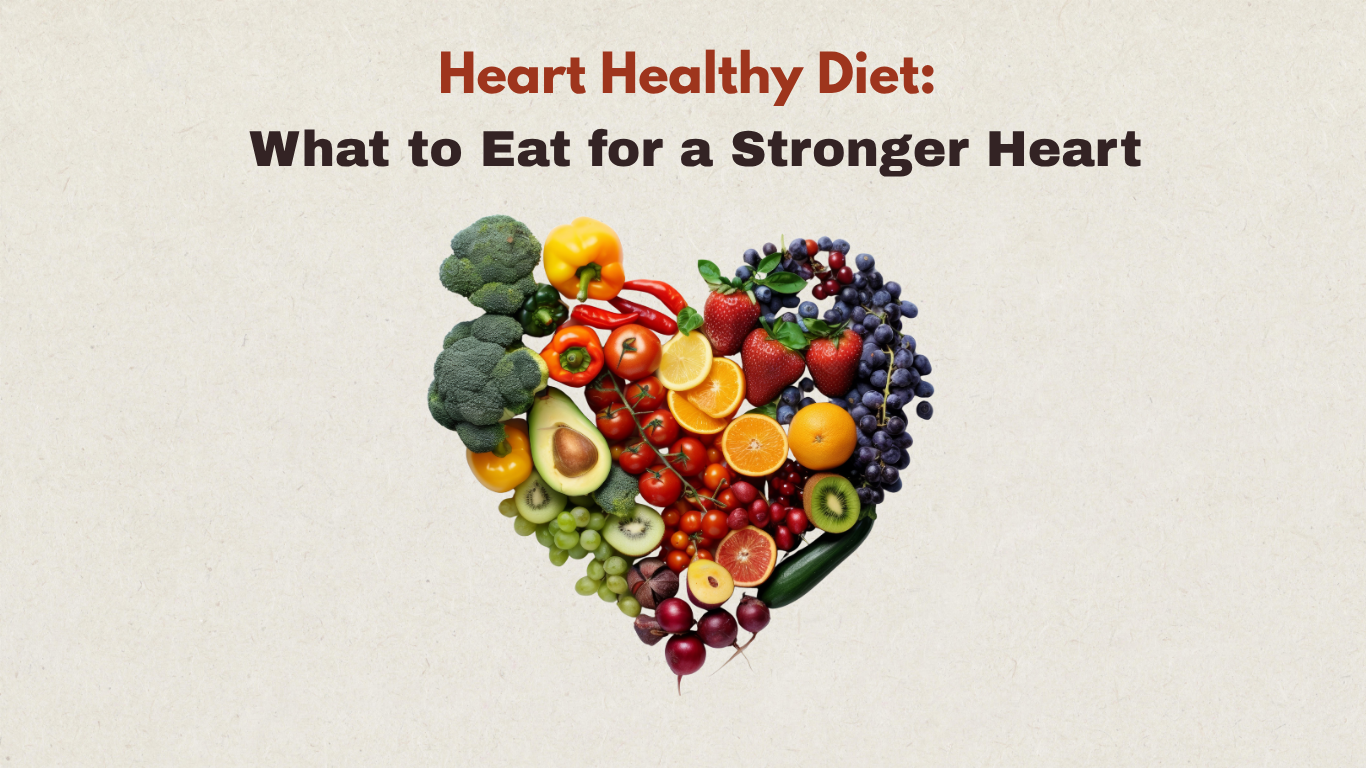
What you eat every day directly affects your blood pressure, cholesterol, blood sugar, and weight, the main risk factors for heart disease. The good news is that you do not need a strict or expensive plan. Steady, simple choices, repeated over months and years, make the biggest difference.
This article explains the core principles of a heart healthy diet, the foods to enjoy more often, the ones to limit, and practical ways to start.
Why Diet Matters for Your Heart?
Heart disease develops slowly, as fatty deposits build up in the arteries and blood pressure puts extra strain on the heart. Food influences this process in several ways:
- Saturated and trans fats can raise LDL (“bad”) cholesterol.
- Too much salt can raise blood pressure.
- Excess sugar and refined carbohydrates promote weight gain and raise the risk of type 2 diabetes.
- Fiber, unsaturated fats, and plant compounds help protect blood vessels and lower cholesterol.
Foods to Eat often:
Vegetables and fruits:
They are rich in fiber, potassium, and antioxidants, and low in calories. Aim to fill about half your plate with vegetables and fruit. Leafy greens, carrots, tomatoes, berries, citrus fruits, and apples are all excellent choices. Fresh, frozen, and plain canned (without added sugar or salt) all count.
Whole grains:
Whole wheat flour, brown rice, oats, barley, and whole grain bread keep their fiber, which helps lower cholesterol and keeps blood sugar steadier than refined grains like white bread and white rice.
Legumes, nuts, and seeds:
Lentils, chickpeas, beans, almonds, walnuts, flaxseed, and chia seeds provide protein, fiber, and healthy fats. A small handful of unsalted nuts a day is a good habit.
Fish:
Fatty fish such as salmon, sardines, mackerel, and trout are rich in omega-3 fatty acids, which support heart rhythm and reduce triglycerides. Many guidelines suggest eating fish at least twice a week.
Healthy fats:
Olive oil, canola oil, mustard oil, avocados, and nuts contain unsaturated fats that can help improve cholesterol when they replace butter, ghee, and other saturated fats. Fats are still high in calories, so portions matter.
Low-fat dairy and lean protein:
Skimmed or low-fat milk and yogurt, skinless poultry, eggs in moderation, and lean cuts of meat provide protein without much saturated fat.
Foods to Limit
- Salt and salty foods: pickles, chips, instant noodles, canned soups, processed meats, and salty sauces. Most health authorities recommend keeping sodium under about 2,300 mg a day (roughly one teaspoon of salt), and lower for people with high blood pressure.
- Saturated fat: fatty red meat, butter, ghee, cream, full-fat cheese, and coconut and palm oil in large amounts.
- Trans fats: found in some margarines, packaged baked goods, and deep-fried fast food. Check labels for “partially hydrogenated oils.”
- Added sugar: sugary drinks, sweets, desserts, and sweetened tea or juice.
- Processed and cured meats: sausages, bacon, salami, and similar products are high in salt and saturated fat.
- Deep-fried foods: samosas, pakoras, french fries, and fried chicken add a lot of unhealthy fat when eaten often.
- Alcohol: if you drink, keep it to a minimum. Heavy drinking raises blood pressure and can damage the heart muscle.
A Simple Plate to Follow:
- Half the plate: vegetables and fruit.
- One quarter: whole grains such as brown rice or whole wheat roti.
- One quarter: lean protein such as fish, chicken, lentils, or beans.
- A small amount: healthy oil for cooking, and a handful of nuts as a snack.
- To drink: water first, then unsweetened tea or low-fat milk.
Sample Day of Heart Healthy Eating:
- Breakfast: oatmeal with chopped apple and a few walnuts, or a vegetable omelet with whole wheat toast.
- Lunch: lentil soup or chickpea curry with a whole wheat roti and a large salad.
- Snack: a piece of fruit with unsalted almonds, or plain yogurt.
- Dinner: grilled or baked fish with steamed vegetables and brown rice.
Practical Tips to Get Started:
- Cook at home more often. You control the salt, oil, and sugar.
- Swap, don’t just cut. Replace ghee or butter with a small amount of olive or canola oil, and white rice or bread with whole grain versions.
- Read food labels. Compare sodium, saturated fat, trans fat, and added sugar between products.
- Flavor with herbs and spices. Garlic, ginger, cumin, coriander, black pepper, lemon, and turmeric add taste without extra salt.
- Bake, grill, steam, or roast instead of deep frying.
- Watch portion sizes. Even healthy foods add up in calories.
- Plan snacks. Keep fruit, nuts, and cut vegetables handy so you reach for them instead of packaged snacks.
- Change one habit at a time. Small, lasting changes work better than a total overhaul that fades after a few weeks.
Beyond Diet:
Food works best alongside other heart protective habits: regular physical activity (about 150 minutes of moderate exercise a week for most adults), maintaining a healthy weight, not smoking, managing stress, sleeping well, and keeping up with blood pressure, cholesterol, and blood sugar checks.
Who Should Get Personal Advice:
If you already have heart disease, high blood pressure, high cholesterol, diabetes, or kidney disease, or if you take blood thinners such as warfarin, talk to your doctor or a registered dietitian before making big diet changes. Some conditions and medicines need specific adjustments, for example in potassium, salt, or vitamin K intake.
Final Thoughts
A heart healthy diet is built on vegetables, fruit, whole grains, legumes, nuts, fish, and healthy oils, with less salt, sugar, saturated fat, and processed food. You do not have to be perfect. Eating this way most of the time, and building the habit gradually, is one of the most effective things you can do to protect your heart for life.
Frequently Asked Questions
What foods should I eat on a heart healthy diet?
Build meals around vegetables, fruit, whole grains, and proteins such as beans, lentils, or fish. Olive or canola oil works well for cooking, and unsalted nuts make a simple snack.
Can I eat rice and roti on a heart healthy diet?
Yes. Choose brown rice or whole wheat roti more often to get more fiber. For a balanced meal, serve either with dal or chickpeas and a side of vegetables.
Can a heart healthy diet help lower LDL cholesterol?
Yes. Soluble fiber from foods such as oats and beans can help lower LDL cholesterol. Replacing butter or ghee with an unsaturated oil such as olive or canola oil can also help.
How can I eat for heart health on a budget?
Start with affordable staples such as oats, dried lentils, and beans. Buy fruit and vegetables in season, and keep plain frozen vegetables on hand for quick meals. A pot of lentil soup can cover more than one meal.
What can I order at a restaurant?
Look for grilled or baked fish, skinless chicken, or a bean-based main with a side of vegetables. Ask for sauces and dressings on the side so you can choose how much to add.