
The Top Anti-Inflammatory Foods to Improve Your Health
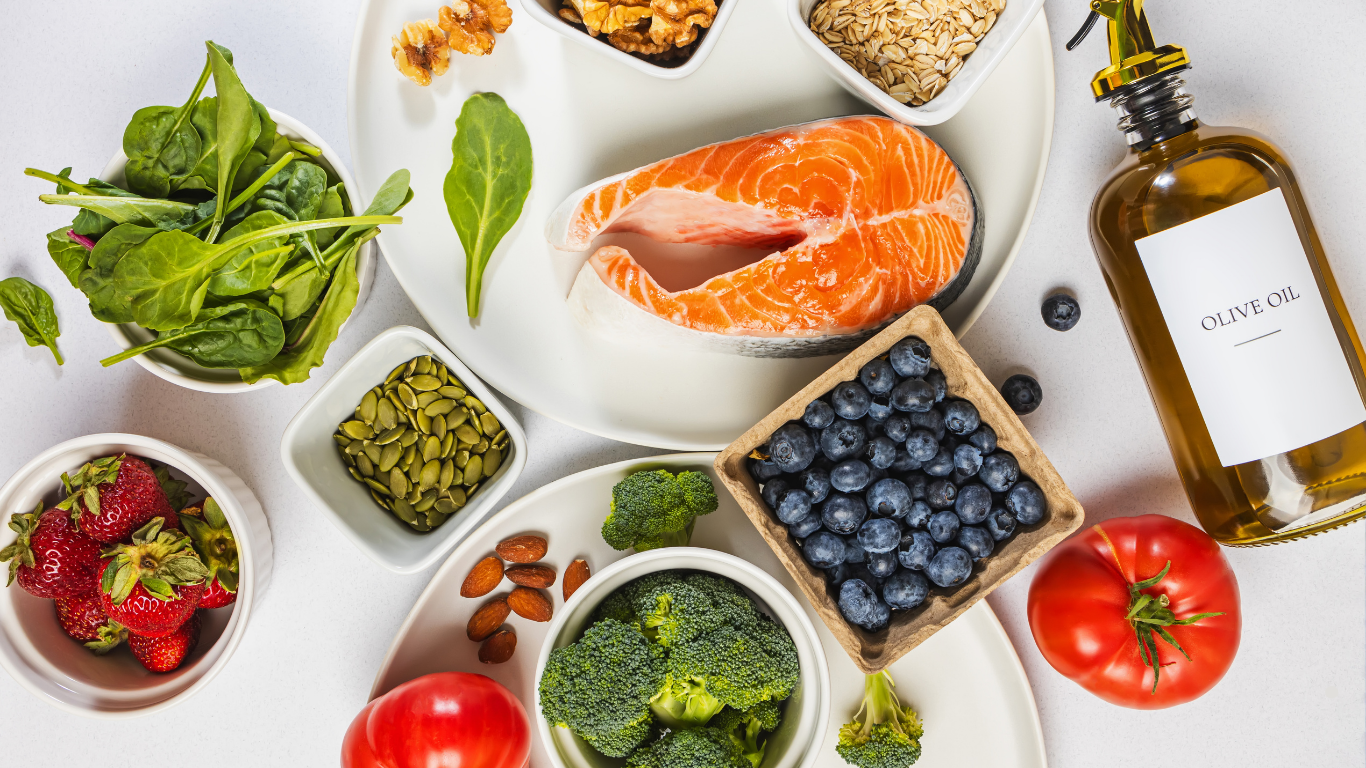
Introduction
Chronic, low-grade inflammation is linked to heart disease, type 2 diabetes, joint problems, and more. Short-term inflammation is healthy because it helps you heal. The trouble starts when it lingers for months or years.
The good news: your plate is a powerful tool. This guide covers the top 20 anti inflammatory foods, the best anti inflammatory fruits and vegetables, inflammatory foods to avoid, honest advice on anti inflammatory supplements, and a simple 7-day plan.
What Is an Anti-Inflammatory Diet?
It is not a strict program. It is an eating pattern built on whole, colorful, minimally processed foods rich in antioxidants, fiber, healthy fats, and polyphenols, while limiting added sugar, refined carbs, and processed meats. Eat more of what calms inflammation and less of what fuels it, consistently.
The Top 20 Anti-Inflammatory Foods
1. Fatty Fish (Salmon, Sardines, Mackerel)
Rich in omega-3 fats (EPA and DHA) that help regulate inflammation. Aim for two servings a week.
2. Extra Virgin Olive Oil
Contains oleocanthal and antioxidants. Use it for dressings and low-to-medium heat cooking.
3. Blueberries
Packed with anthocyanins, powerful antioxidants. Fresh or frozen both work.
4. Strawberries
A good source of vitamin C and polyphenols. Add them to oatmeal, yogurt, or smoothies.
5. Spinach
Delivers vitamins A, C, and K plus lutein. Toss it into eggs, soups, and curries.
6. Kale
Similar to spinach, with sulforaphane-related compounds. Massage it with olive oil and lemon.
7. Broccoli
Contains sulforaphane, studied for calming inflammatory pathways. Steam lightly instead of boiling.
8. Walnuts
Plant-based omega-3 (ALA), fiber, and polyphenols. A small handful a day is enough.
9. Almonds
Vitamin E, magnesium, and healthy fats. A filling swap for chips and biscuits.
10. Turmeric
Contains curcumin, a well-researched anti-inflammatory compound. Pair it with black pepper to boost absorption.
11. Ginger
Gingerols give it antioxidant and anti-inflammatory effects. Use it in tea, stir-fries, and soups.
12. Garlic
Sulfur compounds with antioxidant effects. Crush it and let it rest a few minutes before cooking.
13. Tomatoes
Rich in lycopene, which is absorbed better when tomatoes are cooked with a little olive oil.
14. Green Tea
Full of catechins such as EGCG. Two or three cups a day suits most people.
15. Avocado
Monounsaturated fats, fiber, and potassium make meals filling without processed fats.
16. Tart Cherries
Popular with athletes for sore muscles and joints thanks to their anthocyanins.
17. Pomegranate
Rich in punicalagins and other polyphenols. Sprinkle the seeds on salads or yogurt.
18. Beans and Lentils
Fiber, plant protein, and polyphenols that feed good gut bacteria. A healthy gut means less inflammation.
19. Chia and Flax Seeds
Plant omega-3 (ALA) and fiber. Grind flaxseed for better absorption.
20. Mushrooms
Contain ergothioneine and compounds that support immune balance. Shiitake, oyster, and button all work.
Bonus: dark chocolate. Choose 70% cocoa or higher and keep portions small.
Best Anti-Inflammatory Fruits
For anti inflammatory fruits, deeper color usually means more protective compounds.
- Berries: blueberries, strawberries, raspberries, blackberries
- Tart cherries
- Pomegranate seeds
- Citrus: oranges, lemons, grapefruit
- Apples (eat the peel)
- Pineapple (contains bromelain)
Choose whole fruit over juice for the fiber.
Best Anti-Inflammatory Vegetables
The best anti inflammatory vegetables are the ones you actually eat. Mix colors through the week.
- Leafy greens: spinach, kale, Swiss chard, methi
- Cruciferous: broccoli, cauliflower, cabbage
- Orange vegetables: carrots, sweet potatoes, pumpkin
- Beets and bell peppers
- Onions and garlic
- Cooked tomatoes
Inflammatory Foods to Avoid
These inflammatory foods to avoid or limit are the main culprits:
- Sugary drinks and sweets
- Refined carbs such as white bread and packaged snacks
- Deep-fried foods, especially in reused oil
- Processed meats: sausages, salami, nuggets
- Trans fats (check labels for partially hydrogenated oils)
- Excess alcohol
Think in swaps: fruit instead of candy, nuts instead of chips, grilled instead of fried.
The Best Anti-Inflammatory Diet
The Mediterranean diet is the pattern most consistently linked to lower inflammation and better heart health. It centers on vegetables, fruit, legumes, whole grains, nuts, olive oil, and fish, with little red meat and few sweets.
A simple plate formula:
- Half the plate: vegetables and fruit
- A quarter: whole grains or legumes
- A quarter: protein such as fish, eggs, chicken, or beans
- Add olive oil, a handful of nuts or seeds, and plenty of spices
The DASH and MIND diets follow similar principles.
Anti-Inflammatory Supplements: Do They Work?
Food comes first, but some people consider anti inflammatory supplements:
- Omega-3 (fish or algae oil), useful if you rarely eat fish
- Curcumin, best absorbed with piperine from black pepper
- Ginger extract, studied for soreness and joint discomfort
- Vitamin D, mainly if a blood test shows you are low
Important: quality varies, and fish oil, turmeric, and ginger can interact with blood thinners. Talk to your doctor or pharmacist before starting any supplement.
What Is the Strongest Natural Anti-Inflammatory?
No single food wins, but the best-researched options are:
- Omega-3s from fatty fish
- Curcumin from turmeric
- Extra virgin olive oil
- Ginger
Combining several in your daily meals works better than relying on one.
Free Printable Checklist: List of Anti-Inflammatory Foods
Want a list of anti inflammatory foods for your fridge? Copy this checklist into a document and print it, or download the PDF version when it is available on this page.
Eat more often
- Salmon, sardines, mackerel
- Olive oil
- Berries, cherries, pomegranate, citrus
- Spinach, kale, broccoli
- Walnuts, almonds, chia, flaxseed
- Beans, lentils, chickpeas
- Turmeric, ginger, garlic
- Tomatoes, mushrooms, avocado, green tea
Limit or avoid
- Sugary drinks and sweets
- Refined carbs and fried foods
- Processed meats and trans fats
- Excess alcohol
A Simple 7-Day Anti-Inflammatory Plan
Use this as a template and swap in foods you like.
- Day 1: Oatmeal with blueberries and walnuts; lentil soup; baked salmon with broccoli
- Day 2: Yogurt with chia and strawberries; chickpea-tomato salad; ginger-garlic chicken stir-fry
- Day 3: Spinach-mushroom omelet; quinoa bowl with avocado; turmeric vegetable curry
- Day 4: Kale-berry smoothie; sardines on whole-grain toast; grilled fish with sweet potato
- Day 5: Overnight oats with cherries; lentil salad; bean chili
- Day 6: Eggs with greens; hummus wrap; roasted chicken with cauliflower
- Day 7: Fruit and nut bowl; leftover curry; grilled salmon with leafy greens
All week: drink water and green tea, skip sugary drinks, and keep processed snacks minimal.
Lifestyle Habits That Help
- Walk 30 minutes a day
- Sleep 7 to 9 hours
- Manage stress with prayer, breathing exercises, or time outdoors
- Keep a healthy weight, especially around the waist
- Do not smoke
Final Thoughts
Reducing inflammation does not need expensive ingredients. Add vegetables to every meal, swap refined snacks for nuts and fruit, eat fish or legumes more often, and cook with olive oil, turmeric, ginger, and garlic. Small, steady changes add up.
Disclaimer: This article is for general information only and is not medical advice. If you have a medical condition, take medication, or are pregnant, consult a healthcare professional before making major diet or supplement changes.
Frequently Asked Questions (FAQs)
What are the strongest anti-inflammatory foods?
Fatty fish, extra virgin olive oil, berries, leafy greens, turmeric, ginger, walnuts, and green tea. They are rich in omega-3s, polyphenols, and antioxidants. Include several in regular meals instead of relying on one.
What are 11 foods that fight inflammation?
Salmon, extra virgin olive oil, blueberries, spinach, broccoli, walnuts, turmeric, ginger, tomatoes, green tea, and beans or lentils. All are affordable and easy to add to everyday meals.
Which is the strongest natural anti-inflammatory?
No single food wins for everyone, but omega-3s from fatty fish and curcumin from turmeric are the most studied. Extra virgin olive oil and ginger also have good evidence. Variety works better than one ingredient.
How to reduce inflammation in 7 days?
For one week, fill half your plate with vegetables and fruit, eat fish or legumes daily, cook with olive oil, snack on nuts, and drink water or green tea. Cut sugary drinks, fried foods, and processed meats, and add a daily walk and better sleep. You may feel less bloated and more energetic within a week, but lasting results take consistent habits over weeks and months.