
9 Natural Ways to Lower Cholesterol
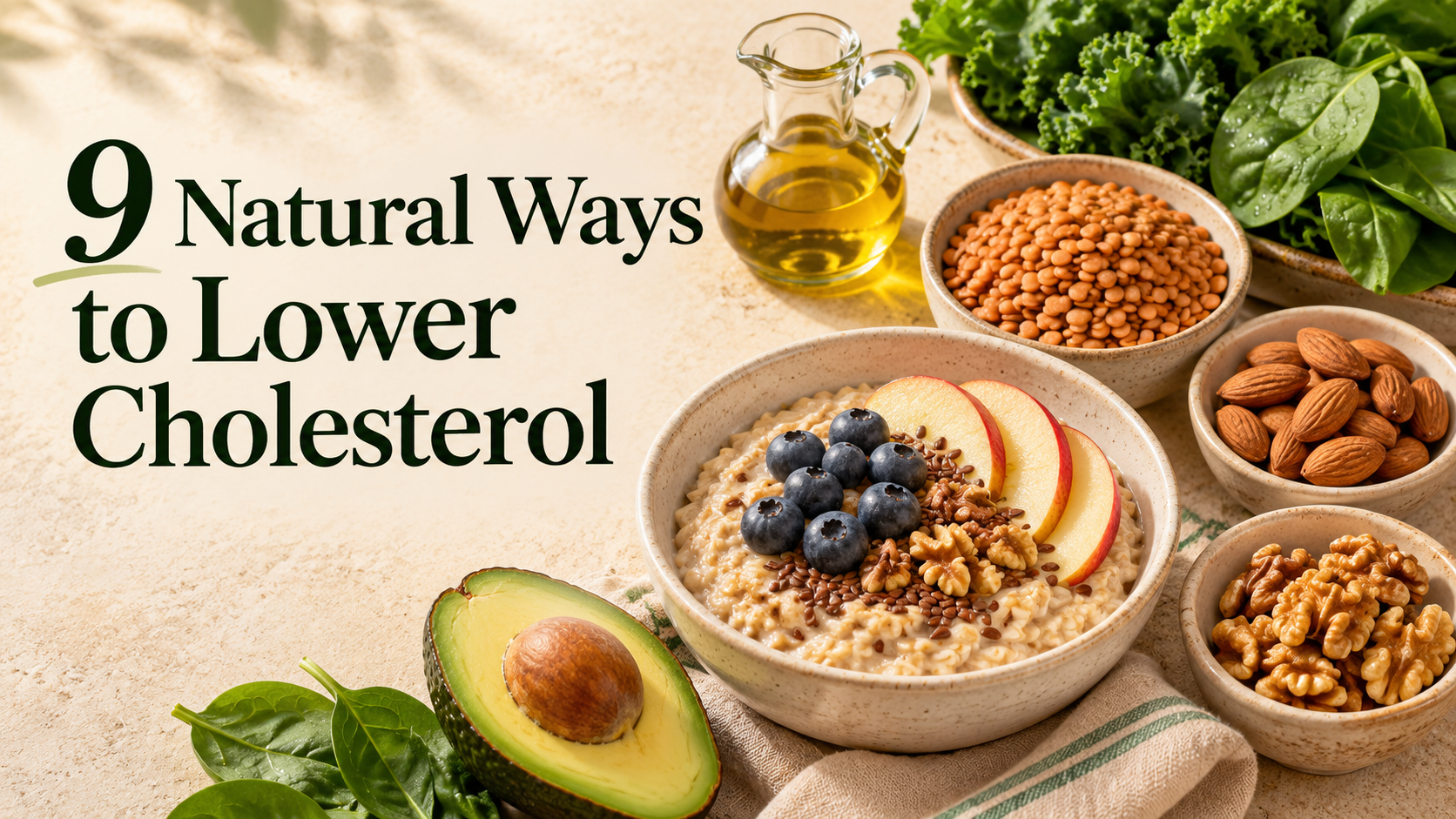
Natural ways to lower cholesterol include eating more soluble fiber, replacing saturated fats with unsaturated fats, and staying physically active. These habits can help improve cholesterol levels, but some people also need medication because of their cholesterol levels, genetics, or overall heart disease risk. Here are nine practical changes to discuss with your healthcare provider.
What is cholesterol, in simple words?
Cholesterol is a waxy, fat-like substance in your blood. Your body needs a little of it, but too much causes trouble. Think of it in two types:
LDL (“bad” cholesterol): sticks to the walls of your blood vessels and slowly clogs them.
HDL (“good” cholesterol): works like a cleaning crew, carrying extra cholesterol away from your blood.
Your goal is to bring LDL down and keep HDL up.
1. Eat oats for breakfast
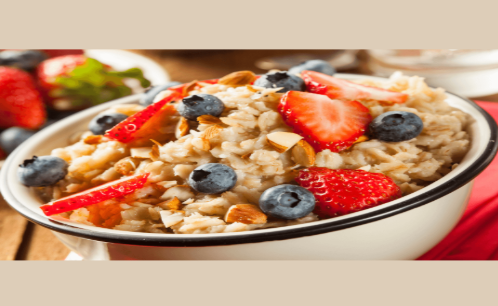
Oats contain soluble fiber called beta-glucan, which helps reduce cholesterol absorption in your digestive tract and can lower LDL cholesterol. A bowl of oatmeal with fruit is a simple way to include more soluble fiber in your diet.
2. Eat more beans and lentils
Chickpeas, lentils, and beans are full of fiber and protein. They keep you full for a long time, so you’re less likely to reach for unhealthy snacks. Try replacing red meat with them a few times a week.
3. Choose healthy fats over unhealthy fats
Some fats raise your bad cholesterol, and some protect your heart.
- Fats to limit: fried food, packaged snacks, biscuits, fatty meat, butter, and too much ghee.
- Fats to choose: olive oil, avocado, nuts, and seeds.
4. Eat fish twice a week
Fish like salmon, sardines, and mackerel contain omega-3, a healthy fat that is good for your heart and helps lower blood fats. Bake it or grill it.
5. Snack on a handful of nuts
Almonds, walnuts, and pistachios are great snacks for your heart. A small handful a day is enough. Don’t eat too many, because nuts are high in calories.
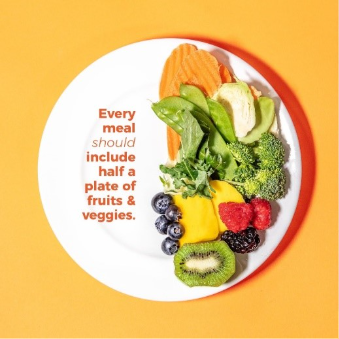
6. Fill half your plate with fruits and vegetables
Fruits and vegetables give you fiber and vitamins and take up space that processed food would otherwise fill. Apples, oranges, carrots, spinach, and berries are all good picks. The more colors on your plate, the better.
For more ideas to add variety to your meals, explore our guide to the top anti-inflammatory foods.
7. Move your body most days
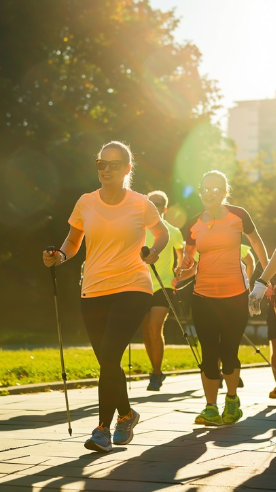
Exercise raises your good cholesterol and helps you control your weight. You don’t need a gym. Try:
- A 30-minute brisk walk
- Cycling or swimming
- Three short 10-minute walks if you’re busy
- Aim for about 150 minutes a week.
8. Quit smoking and cut back on alcohol
Smoking damages your blood vessels and lowers your good cholesterol. The moment you quit, your body starts to heal. Too much alcohol can also raise blood fats, so keep it low or avoid it.
9. Sleep well and manage stress
When you’re tired or stressed, you tend to eat more junk food and move less. Try to sleep 7 to 8 hours a night. For stress, find what calms you, like prayer, a walk, deep breathing, or time with family.
Which foods should I avoid with high cholesterol?
Limit fried food, packaged snacks, bakery items, fatty red meat, and too much butter or ghee.
How long does it take to see results?
Most people see a change in about 2 to 3 months if they stay consistent. Ask your doctor for a blood test called a lipid profile to check your numbers before and after.
When should you see a doctor?
Lifestyle changes work well, but they aren’t enough for everyone. Some people have high cholesterol because of their family genes, even if they eat healthy. If your levels stay high, or you have heart disease or diabetes, your doctor may suggest medicine. That is perfectly okay.
Never stop or change prescribed medicine on your own. Healthy habits work best together with treatment.
Final thoughts
You don’t need to change everything at once. Pick two habits from this list, stick with them for a month, then add more. Small steps, repeated every day, are what protect your heart in the long run.
Frequently Asked Questions
What reduces bad cholesterol quickly naturally?
To lower LDL, or “bad” cholesterol, focus on replacing saturated fats with unsaturated fats and eating more soluble fiber from oats, beans, and lentils. Regular exercise also supports healthier cholesterol levels. These changes work gradually, not overnight, and results vary. Continue any prescribed medication unless your doctor advises otherwise.
What is the best drink to reduce cholesterol?
No single drink is proven to be the best for lowering cholesterol. Water and unsweetened tea are heart-friendly alternatives to sugary drinks, but they do not directly flush out cholesterol. Your overall diet, especially replacing saturated fats and adding soluble fiber, matters more than any particular beverage.
What flushes cholesterol out of your body?
No food, drink, or detox instantly flushes cholesterol from your bloodstream. Soluble fiber helps reduce cholesterol absorption and increases the removal of bile acids through stool. Your body uses cholesterol to replace these bile acids, which can help lower LDL over time. Oats, barley, beans, and apples provide soluble fiber.
What are the six super foods that lower cholesterol?
Six foods that can help lower cholesterol are oats, barley, beans, lentils, almonds, and apples. They provide soluble fiber, unsaturated fats, or both. Although “superfood” is a marketing term, these foods can support healthier LDL levels when eaten regularly as part of a balanced diet, especially when replacing foods high in saturated fat.