
Liver Cancer Symptoms: Early Signs, Risk Factors, and When to See a Doctor
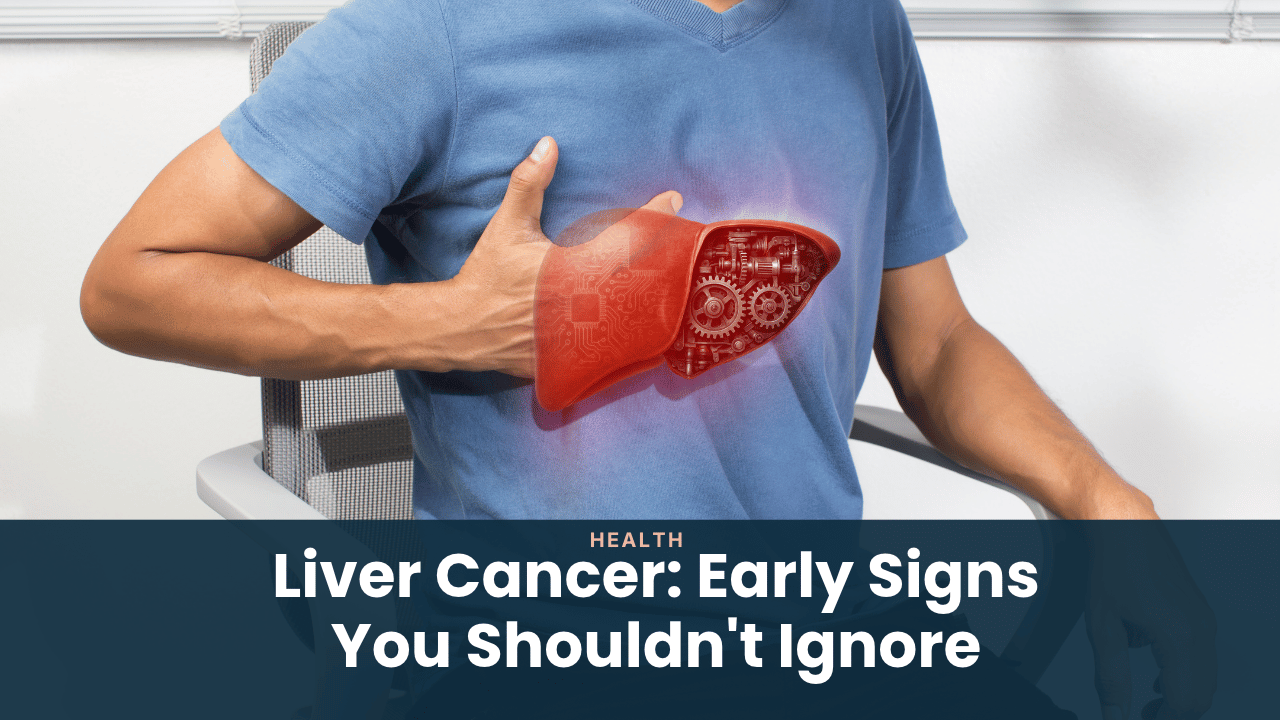
Liver cancer is a serious disease, but it is also one that is often caught late, because it rarely causes noticeable problems in its early stages. Knowing the possible warning signs and, just as importantly, knowing whether you are at higher risk can make a real difference. When liver cancer is found early, treatment options are much better.
This article explains the symptoms of liver cancer, who is most at risk, how it is detected, and when to see a doctor. Most of these symptoms can also be caused by far more common and less serious conditions, so having one of them does not mean you have cancer.
What Is Liver Cancer?
The liver is a large organ on the upper right side of the abdomen, under the ribs. It filters the blood, helps digest food, stores energy, and makes proteins needed for blood clotting.
Liver cancer can be of two main kinds:
- Primary liver cancer starts in the liver itself. The most common type is hepatocellular carcinoma (HCC).
- Secondary (metastatic) liver cancer starts in another organ, such as the bowel, breast, or lung, and spreads to the liver. This is actually more common than primary liver cancer in many countries.
The symptoms below apply mainly to primary liver cancer, though secondary liver cancer can cause similar problems.
Does Liver Cancer Cause Early Symptoms?
Usually not. In the early stages, liver cancer often causes no symptoms at all. Signs tend to appear only once the tumor has grown large or the disease has advanced. This is why doctors recommend regular screening for people at high risk, such as those with cirrhosis or chronic hepatitis B or C. Screening can find a tumor before symptoms begin.
Common Symptoms of Liver Cancer:
When symptoms do appear, they may include:
- Pain or discomfort in the upper right abdomen, sometimes spreading to the back or the right shoulder blade
- A lump or feeling of fullness under the right ribs
- Unexplained weight loss
- Loss of appetite, or feeling full after eating only a small amount
- Nausea or vomiting
- Ongoing tiredness or weakness
- Jaundice, a yellowing of the skin and the whites of the eyes
- Dark urine and pale stools
- Itchy skin
- Swelling of the abdomen caused by fluid build-up (ascites)
- Swelling of the legs or ankles
- Easy bruising or bleeding
- Fever in some cases
Less commonly, liver cancer can cause low blood sugar or high calcium levels, which may lead to confusion, constipation, or extreme thirst.
Symptoms in Advanced Liver Cancer:
As the disease progresses, symptoms often become more severe. They may include worsening abdominal pain and swelling, marked jaundice, severe itching, extreme weakness, and confusion or drowsiness caused by liver failure. If the cancer spreads, it can cause pain in the bones or other symptoms depending on the area affected.
Do Symptoms Differ in Men and Women?
The symptoms are generally the same in men and women. However, liver cancer is more common in men, who are roughly two to three times more likely to develop it, partly because they have higher rates of viral hepatitis, heavy alcohol use, and smoking.
Risk Factors for Liver Cancer:
A risk factor raises your chance of developing cancer, but it does not guarantee that you will. Some people with several risk factors never develop liver cancer, and some people with none do.
- Cirrhosis (scarring of the liver), from any cause, is the strongest risk factor.
- Chronic hepatitis B or hepatitis C infection. These viruses are among the leading causes of liver cancer worldwide. Having both increases the risk further.
- Long-term heavy alcohol use, which can lead to cirrhosis.
- Non-alcoholic fatty liver disease (NAFLD or MASLD), often linked to obesity and type 2 diabetes.
- Obesity and type 2 diabetes.
- Smoking.
- Aflatoxin exposure, a toxin made by molds that can grow on poorly stored grains, peanuts, and other foods.
- Inherited liver conditions, such as hemochromatosis (iron overload) and alpha-1 antitrypsin deficiency.
- Family history of liver cancer.
- Age and sex: it is more common in older adults and in men.
- Weakened immune system, for example in people with HIV.
Screening: Who Should Be Checked?
Because early liver cancer rarely causes symptoms, screening is the best way to catch it early in people at higher risk. Doctors often recommend regular checks, usually an ultrasound of the liver with or without a blood test (alpha-fetoprotein, or AFP), about every six months, for people with:
- Cirrhosis
- Chronic hepatitis B, especially with certain risk features
- Chronic hepatitis C with advanced liver scarring
Your doctor can advise whether you should be screened and how often.
How Is Liver Cancer Diagnosed?
If liver cancer is suspected, a doctor will ask about your medical history and symptoms, examine your abdomen, and arrange tests such as:
- Blood tests, including liver function tests and AFP
- Imaging, such as ultrasound, CT scan, or MRI
- Biopsy, in some cases, where a small sample of tissue is taken for examination
Doctors then determine the stage of the cancer, which guides treatment options.
Treatment Overview:
Treatment depends on the stage of the cancer, how well the liver is working, and the person’s overall health. Options can include surgery to remove part of the liver, liver transplant, ablation therapies that destroy tumors with heat or other methods, treatments delivered to the liver’s blood supply, radiation therapy, and targeted or immune-based drug treatments. A specialist team will recommend the best plan for each person.
How to Reduce Your Risk:
There is no guaranteed way to prevent liver cancer, but these steps lower the risk:
- Get vaccinated against hepatitis B. The vaccine is safe and effective.
- Get tested for hepatitis B and C, and take treatment if you are infected. Hepatitis C can often be cured with modern medicines, and hepatitis B can be controlled with treatment.
- Avoid or limit alcohol.
- Maintain a healthy weight and stay active.
- Manage diabetes and keep blood sugar under control.
- Do not smoke.
- Avoid sharing needles or razors, and use safe practices for tattoos, piercings, and medical procedures to avoid hepatitis infection.
- Store grains and nuts properly and discard moldy food to reduce aflatoxin exposure.
- Follow your doctor’s screening advice if you have cirrhosis or chronic hepatitis.
When to See a Doctor
See a doctor if you notice any of the following, especially if you have risk factors such as cirrhosis, chronic hepatitis, or heavy alcohol use:
- Yellowing of the skin or eyes
- Unexplained weight loss or loss of appetite
- Persistent pain or a lump in the upper right abdomen
- A swollen abdomen
- Dark urine with pale stools
- Persistent itching without a clear cause
- Ongoing tiredness that does not improve with rest
Seek urgent medical help if you have severe abdominal pain, vomiting blood, black or bloody stools, sudden confusion or severe drowsiness, or rapidly worsening jaundice.
The Bottom Line:
Liver cancer often develops silently, and symptoms such as jaundice, weight loss, abdominal pain, and swelling usually appear late. The most effective ways to protect yourself are to prevent and treat hepatitis B and C, limit alcohol, maintain a healthy weight, avoid smoking, and get screened if you have cirrhosis or chronic liver disease. If you notice any warning signs, do not wait. See a doctor for an assessment.
Frequently Asked Questions
These answers mainly concern hepatocellular carcinoma (HCC), the most common type of primary liver cancer.
What are the common symptoms of stage 4 liver cancer in men?
Men with stage 4 liver cancer may experience pain or fullness in the upper right abdomen, abdominal swelling, loss of appetite, unexplained weight loss, fatigue, weakness and jaundice. Other symptoms depend on where the cancer has spread and how well the liver is working.
Symptoms alone cannot confirm stage 4 disease. Doctors use scans and other assessments to determine the cancer’s stage.
What are the 5 warning signs of liver cancer?
Five possible warning signs include:
- Unexplained weight loss.
- Loss of appetite or feeling full after a small meal.
- Persistent pain in the upper right abdomen.
- Abdominal swelling or a lump under the right ribs.
- Yellowing of the skin or eyes, called jaundice.
Liver cancer can cause other symptoms, and early disease may cause none. These signs also occur with noncancerous conditions, so medical assessment is needed to establish the cause.
What is the main cause of liver cancer?
There is no single cause that applies to everyone. Chronic hepatitis B or C infection and cirrhosis are major risk factors for hepatocellular carcinoma. Long-term heavy alcohol use and fatty liver disease can also contribute to liver damage and increase risk.
Having a risk factor does not mean someone will develop liver cancer, and some people develop it without a known risk factor.
Can liver cancer be treated?
Yes. Selected early-stage liver cancers can be treated with the aim of a cure using surgery, liver transplantation or ablation. The best option depends on the cancer’s extent, liver function and overall health.
Advanced liver cancer is usually not curable, but treatments such as immunotherapy, targeted medicines or radiation may help control it, relieve symptoms and sometimes extend life. A specialist team can explain suitable options and treatment goals.
How long can you live with liver cancer?
There is no single life expectancy for everyone with liver cancer. Outlook depends on the stage, how well the liver works, overall health and response to treatment. Some early-stage cancers can be cured, while advanced disease generally has a poorer outlook.
Survival statistics describe groups of people and cannot predict an individual’s remaining lifespan. Your oncology team can explain what the available information means for your situation.
Is stage 4 liver cancer the last stage?
Stage 4 is the highest numbered stage in the TNM staging system for hepatocellular carcinoma. It is divided into:
- Stage 4A: The cancer has spread to nearby lymph nodes but not to distant parts of the body.
- Stage 4B: The cancer has spread to distant parts of the body, such as the lungs or bones.
Stage 4 describes advanced cancer, but it does not specify how much time someone has left. Treatment and symptom management may still be offered. Other staging systems use different labels; your doctor can explain which system applies. Read more about stage 4 liver cancer.
Sources
- American Cancer Society · Signs and symptoms of liver cancer
- National Cancer Institute · Liver cancer causes, risk factors and prevention
- National Cancer Institute · Liver cancer treatment
- American Cancer Society · Liver cancer stages
- American Cancer Society · Liver cancer survival rates
- Cancer Research UK · Stage 4 liver cancer